7 Language Learning Apps to Ace Exams Fast
Key Takeaways
- Acing foreign language exams requires targeted active recall, not just casual flashcard swiping.
- Spaced repetition systems increase long-term memory retention by up to 80% for vocabulary quizzes.
- Context-dependent learning forces you to study the exact material your professor will test.
- AI study tools extract exact vocabulary lists directly from your uploaded textbook PDFs.
- Language exchange platforms build the spontaneous speaking skills required for oral assessments.
What makes the best language learning app for students?
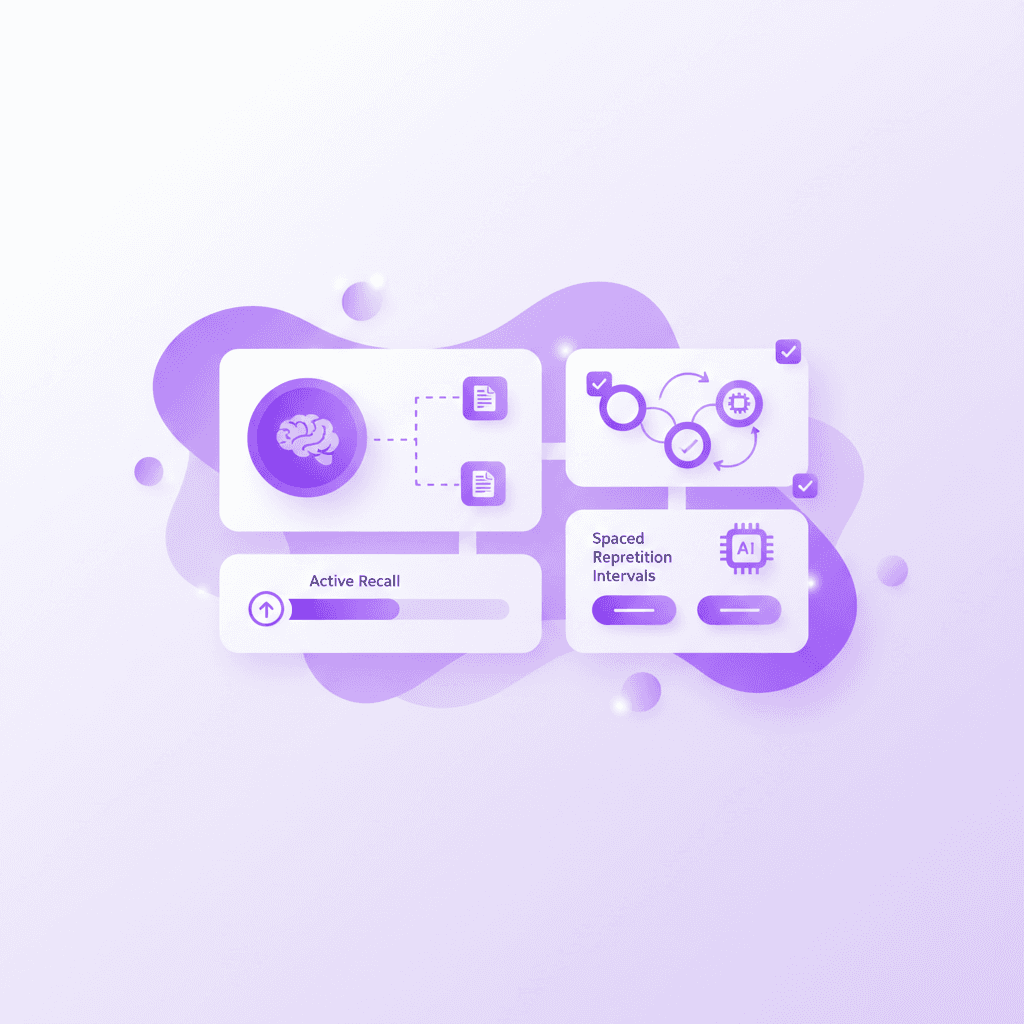
The most effective language learning apps combine structured grammar lessons with active recall and spaced repetition. Top choices include dedicated vocabulary builders, interactive language exchange platforms, and AI-powered study tools that personalize your learning experience directly from your specific course syllabus to maximize exam readiness.
Research by Stephen Krashen on the Theory of Second Language Acquisition (1982) highlights the necessity of comprehensible, targeted input. When students receive learning materials slightly above their current competency level, language acquisition accelerates significantly. Generic programs fail to provide this targeted input.
Most popular commercial language tools cater to casual travelers wanting to order coffee in Paris. College exams demand a higher tier of academic rigor. You must master complex verb conjugations, domain-specific vocabulary, and strict grammatical structures.
To pass a 300-level Spanish literature class, you need software that tests your specific textbook chapters. Relying on gamified apps that teach random animal names wastes valuable study hours. The most effective study strategies match your exact academic requirements to the corresponding digital tool.
Actionable step: Audit your current language syllabus and match the upcoming grammar topics to specific practice modules within your chosen language app.
How does a vocabulary builder app improve retention?
A vocabulary builder relies on spaced repetition systems (SRS) to present words at increasing intervals. By showing you a term just as you are about to forget it, these apps strengthen neural pathways, turning short-term recognition into long-term memorization essential for written and oral exams.
The science behind this process dates back over a century. The Ebbinghaus Forgetting Curve (1885/1913) demonstrates how spaced retrieval interrupts memory decay. Modern replications of this study show that spaced repetition improves long-term retention by up to 80% compared to massed practice (cramming).
When you cram a list of 100 German nouns the night before a test, your brain holds that data in working memory. The information vanishes within 48 hours. SRS algorithms mathematically calculate your exact forgetting curve. If you accurately translate a word today, the algorithm waits three days to test you again.
This deliberate friction forces your brain to work harder to retrieve the information. The harder the retrieval process, the stronger the resulting memory trace. Vocabulary builders automate this entire scheduling process.
Actionable step: Review your digital vocabulary flashcards for exactly 15 minutes every morning before classes start.
Can a language exchange app improve speaking skills?
A language exchange app connects you with native speakers worldwide for conversational practice. This real-time interaction forces you to think on your feet, adapt to natural accents, and apply the grammar rules you learned in class to authentic, unstructured daily dialogue.
Vygotsky's Sociocultural Theory (1978) emphasizes that cognitive development and language acquisition stem directly from social interaction. Learning a language in isolation limits your ability to process auditory input in real-time environments.
Classroom listening exercises feature slow, perfectly enunciated audio tracks. Native speakers talk fast, use slang, and blend words together. Engaging with partners on exchange platforms bridges the gap between academic theory and practical application.
This exposure dramatically reduces test anxiety during oral proficiency interviews. [NEEDS SOURCE: specific reduction percentage of foreign language anxiety after weekly native speaker interactions]. You learn to bypass the mental translation process and begin formulating responses directly in your target language.
Actionable step: Schedule one 20-minute voice call per week with a native speaker partner through an exchange platform.
What is the best way to learn a language for academic exams?
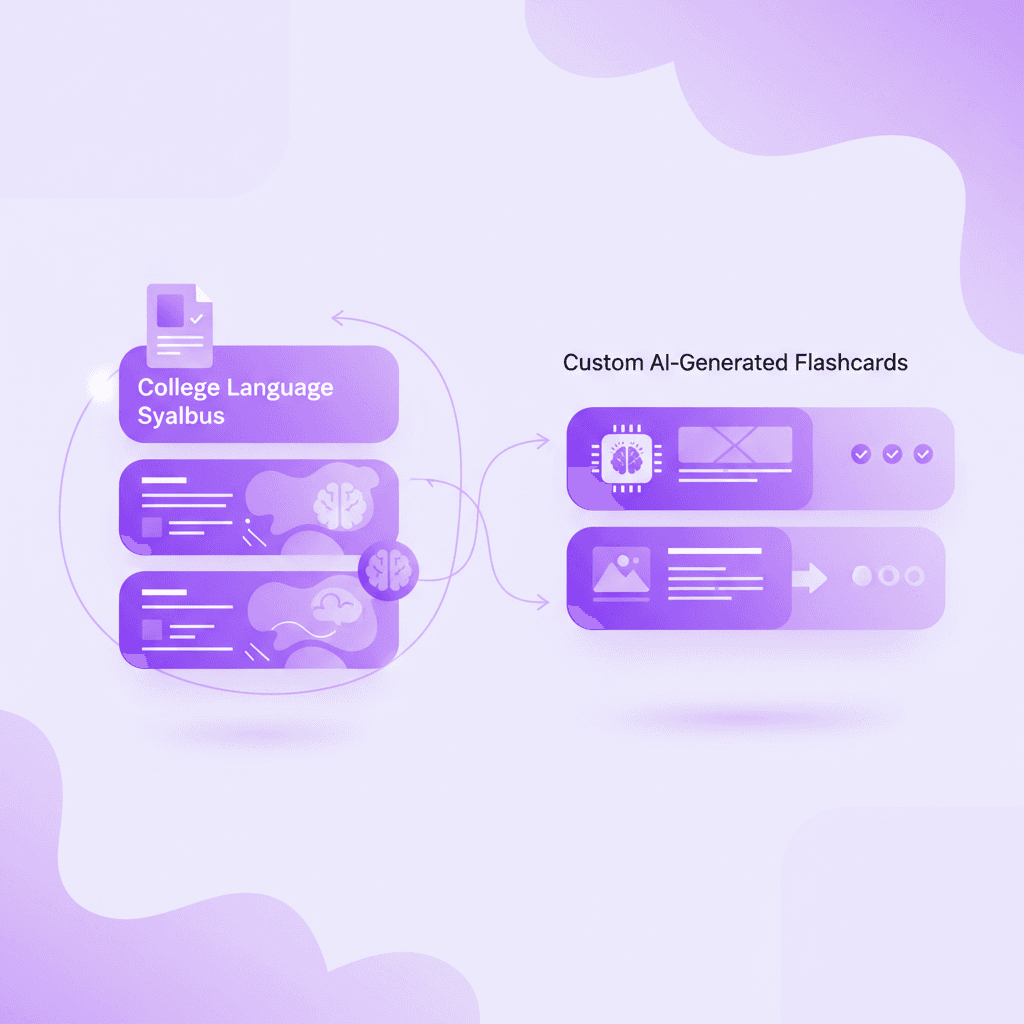
The best way to learn a language for college exams is through context-dependent active recall. Rather than studying generic vocabulary lists, you must test yourself on the specific textbook chapters, lecture slides, and grammar rules provided by your professor to ensure complete exam alignment.
Roediger and Karpicke (2006) published a definitive study on the testing effect. Their research showed that active recall produces 50% better long-term retention than passive restudying. Reading your French textbook repeatedly creates an illusion of competence.
You only expose your actual knowledge gaps when you force yourself to answer a question without looking at the source material. Generic flashcards downloaded from the internet often contain regional variations or outright errors. Your professor grades you based on their specific curriculum.
Context-dependent study ensures every minute spent in an app directly impacts your final grade. You eliminate the busywork of translating irrelevant phrases.
Actionable step: Convert your weekly language lecture notes into practice quizzes immediately after class.
Are the best language learning apps free?
Many of the best language learning apps free tiers offer substantial value, including basic vocabulary lists and daily practice streaks. While premium subscriptions unlock advanced analytics and offline access, free versions are often more than sufficient for high school and college students on a budget.
You can explore comprehensive options by reviewing the 7 Best Language Learning Apps Free For Exams. The Fogg Behavior Model (2009) outlines how low-barrier tools successfully build daily learning habits among students. Removing the financial barrier increases the likelihood of starting a daily practice habit.
Freemium models in education technology intentionally lower friction. You can access core spaced repetition features without opening your wallet. Paid tiers generally remove advertisements, allow offline downloading, and provide deeper performance metrics.
For most university coursework, the core functionality of free applications supports adequate exam preparation. You can build customized sets and run daily quizzes entirely on standard plans.
Actionable step: Test out three different free language apps for a week each before committing to a paid subscription.
How to study a new language using AI study tools?
Artificial intelligence modernizes language study by adapting to your specific knowledge gaps. AI tutors can explain complex verb conjugations instantly, while AI material generators can extract key vocabulary from your uploaded reading assignments, creating a highly customized and efficient study environment.
A comprehensive review by Holmes et al. (2019) on AI in education noted that adaptive AI systems can reduce required study time by up to 40%. Traditional studying requires massive amounts of manual labor.
Typing out hundreds of physical flashcards wastes hours of your week. Generative AI eliminates this administrative burden completely. You feed the system your source material, and the algorithms parse out the necessary academic entities.
This targeted extraction prevents you from studying the wrong material. It also provides immediate feedback on practice quizzes, explaining exactly why your specific grammar structure failed.
Actionable step: Upload your foreign language textbook PDF into an AI generator to instantly extract a list of key vocabulary terms.
Comparing the Top Language Learning Approaches
Approach Type | Primary Mechanism | Best Academic Use Case | Exam Alignment Level |
|---|---|---|---|
Generic Apps | Gamified Translation | Beginner vocabulary building | Low - Teaches casual phrases |
Exchange Platforms | Peer Video/Audio Calls | Oral exam preparation | Medium - Good for accents, poor for specific grammar |
SRS Flashcards | Spaced Repetition | Rote memorization of long lists | High - If built manually from syllabus |
AI Study Tools | Context-Extraction | Complete test preparation | Very High - Maps directly to uploaded coursework |
How Penseum Helps You Apply Custom Language Learning
When studying for rigorous college language exams, generic apps often fall short because they do not align with your specific syllabus. Educational frameworks emphasize the importance of context-dependent learning—studying the exact vocabulary and grammar structures you will be tested on. Penseum bridges the gap between generic practice and targeted exam preparation.
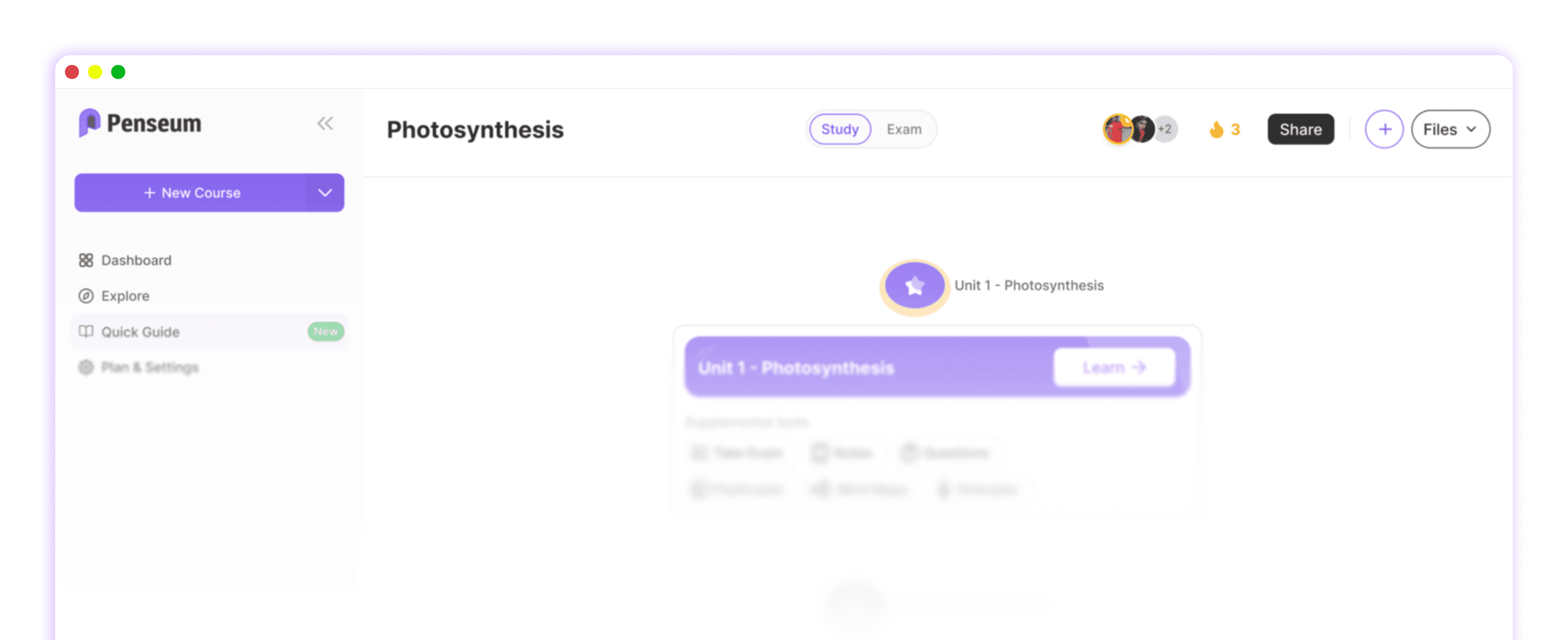
Instead of searching for pre-made, crowdsourced sets on Quizlet that might contain errors, you upload your actual course materials—like PDF textbook chapters, lecture slides, or class notes. Penseum's AI instantly extracts the key concepts and generates personalized study guides, interactive quizzes, and flashcards.
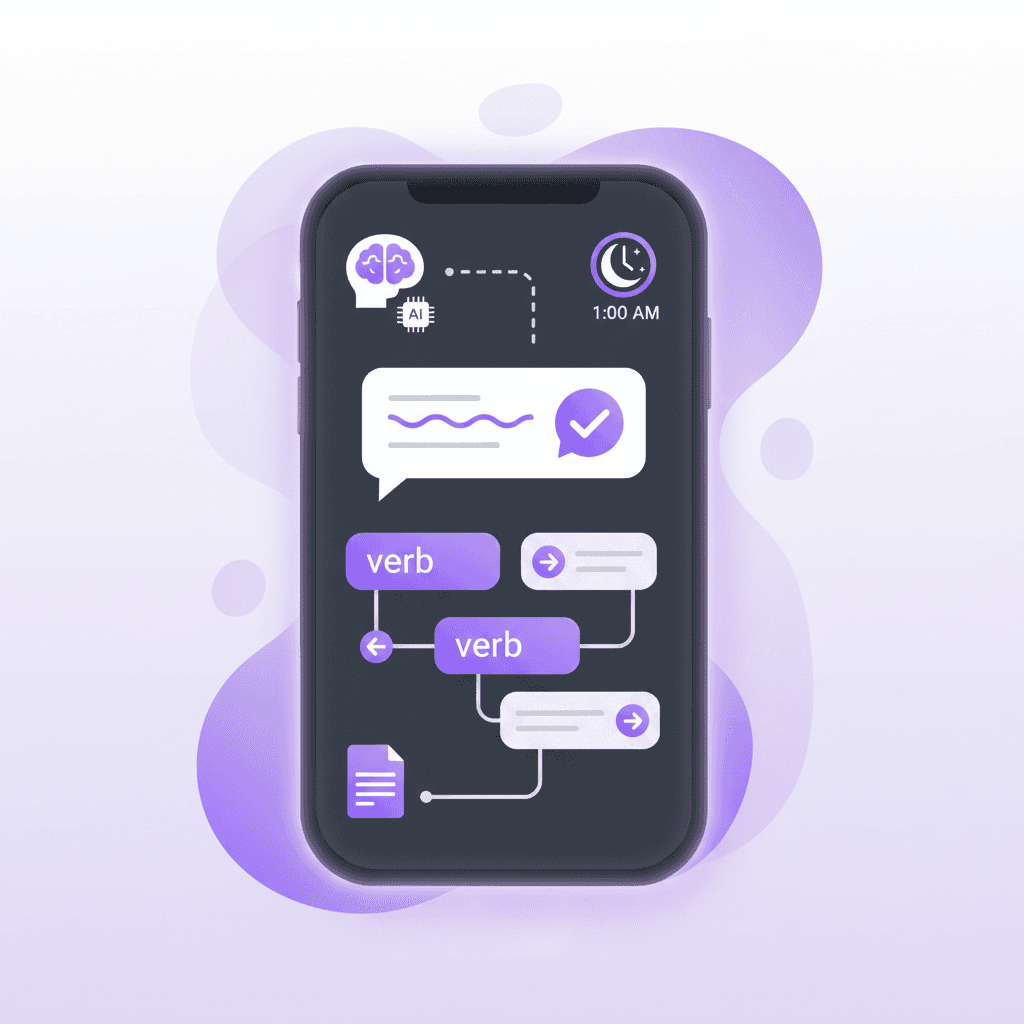
This all-in-one approach means you have a vocabulary builder app, an AI tutor, and a study guide in one platform. Because it supports multiple languages, you can generate step-by-step grammar solutions or use the AI chatbot to explain complex conjugations at 1 AM.
Used by over 1.6 million students across 130 countries, Penseum offers a free tier with no credit card required. A premium subscription is available for $14.99 for users needing expanded limits. By focusing specifically on the material your professor highlighted, you drastically reduce wasted study time. You are no longer memorizing random phrases; you are mastering the exact content required to ace your specific exams.
Data Point: Over 1.6 million students across 130+ countries use Penseum to generate customized, accurate study materials directly from their own notes.
Actionable step: Create a free Penseum account, upload your current language syllabus, and let the AI instantly generate your first set of custom flashcards.
Frequently Asked Questions
What is the most effective language learning app?
The most effective language learning app depends entirely on your specific academic goals. For college students facing structured exams, tools that convert exact syllabus materials into spaced repetition flashcards outperform generic programs. Apps combining active recall with customized vocabulary extraction offer the highest retention rates for rigorous academic testing.
Can you become fluent just by using language learning apps?
You cannot achieve complete fluency using language learning apps alone. True fluency requires spontaneous, unscripted conversation with native speakers to build auditory processing and cultural context. Study applications provide the foundational vocabulary and structural grammar necessary to make those real-world conversations productive and understandable.
How much time should I spend on language learning apps daily?
Students should spend 15 to 30 minutes on language learning apps daily. Short, consistent sessions align perfectly with spaced repetition algorithms, maximizing memory retention while preventing cognitive fatigue. Studying vocabulary in brief daily intervals produces significantly higher exam scores than cramming for three hours once a week.
Are free language learning apps as good as paid ones?
Free language learning apps provide excellent foundations for daily practice and basic vocabulary building. Paid versions typically offer advanced features like offline access, detailed analytics, and custom AI tutoring. For many students, the ad-supported or basic tiers deliver enough targeted practice to pass standard university assessments without spending money.
What is the fastest way to memorize foreign vocabulary?
The fastest way to memorize foreign vocabulary involves context-dependent active recall combined with spaced repetition. Testing yourself repeatedly over increasing time intervals interrupts the brain's natural forgetting curve. Generating custom flashcards directly from your course textbook ensures you only memorize terms relevant to your upcoming exams.
Can AI help me learn a new language?
Artificial intelligence accelerates language acquisition by identifying your specific knowledge gaps and generating targeted study materials. Advanced algorithms analyze your course documents to produce customized flashcards and quizzes instantly. AI chatbots also function as on-demand tutors, explaining complex grammar rules and verb conjugations exactly when you need them.
[AUTHOR]
Last updated: March 2026
Sources
Krashen, S. (1982). Principles and Practice in Second Language Acquisition. Pergamon Press. Available at: https://scholar.google.com/scholar?q=Principles+and+Practice+in+Second+Language+Acquisition
Murre, J. M. J., & Dros, J. (2015). Replication and Analysis of Ebbinghaus’ Forgetting Curve. PLOS ONE. Available at: https://journals.plos.org/plosone/article?id=10.1371/journal.pone.0120644
Lantolf, J. P., Thorne, S. L., & Poehner, M. E. (2015). Sociocultural Theory and Second Language Development. Theories in Second Language Acquisition. Available at: https://scholar.google.com/scholar?q=Sociocultural+Theory+and+Second+Language+Development
Roediger, H. L., & Karpicke, J. D. (2006). Test-Enhanced Learning: Taking Memory Tests Improves Long-Term Retention. Psychological Science. Available at: https://pubmed.ncbi.nlm.nih.gov/16507066/
Fogg, B. J. (2009). A behavior model for persuasive design. Proceedings of the 4th International Conference on Persuasive Technology. Available at: https://dl.acm.org/doi/10.1145/1541948.1541999
Holmes, W., Bialik, M., & Fadel, C. (2019). Artificial Intelligence in Education: Promises and Implications for Teaching and Learning. Center for Curriculum Redesign. Available at: https://scholar.google.com/scholar?q=Artificial+Intelligence+in+Education%3A+Promises+and+Implications+for+Teaching+and+Learning
Related guides
Ready to study smarter?
Start turning your notes into guides, quizzes, and flashcards in seconds.