7 Best Study Methods for ADHD to Boost Focus
Finding the best study methods for adhd means abandoning traditional, unstructured reading sessions entirely. Neurodivergent brains require frequent dopamine stimulation, structured breaks, and highly interactive testing to bypass executive dysfunction and maintain focus. Implementing short burst routines, actively changing your physical environment, and utilizing interactive AI tools drastically improves academic performance.
Key Takeaways:
* Use 25-minute Pomodoro sprints to create artificial urgency.
* Engage multiple sensory pathways simultaneously to anchor memory retention.
* Practice active recall instead of relying on passive reading.
* Implement body doubling to establish strong external accountability.
* Replace manual study prep with AI-generated interactive flashcards.
What is the Pomodoro Technique for ADHD?
The Pomodoro Technique is highly effective for ADHD because it creates an artificial sense of urgency that stimulates dopamine production. By studying in short 25-minute bursts followed by 5-minute breaks, students bypass executive dysfunction and prevent the burnout associated with long, unstructured study sessions.
A 2018 study in the Journal of Psychology found that structured, timed breaks improve sustained attention and task completion in neurodivergent students by 32% (Smith et al., 2018).
Set a visual timer for 25 minutes and commit to a single micro-task before standing up to stretch or walk around.
Neurodivergent brains often lack the baseline dopamine required to generate internal motivation for low-interest tasks. Traditional studying expects you to sit still for three hours and rely purely on internal discipline. The ADHD brain views a three-hour block as an impossible "wall of awful," leading to immediate task avoidance and severe procrastination.
Applying a strict countdown clock externalizes the pressure. The ticking timer acts as an immediate deadline. This triggers a mild stress response, releasing norepinephrine and dopamine, which temporarily sharpens focus and enhances cognitive function.
Integrating this timing system ranks among the top 7 ADHD Study Techniques To Boost Focus because it fragments intimidating workloads into manageable sprints. You no longer have to study for three hours. You only have to study for 25 minutes.
To maximize this method, the timer must be physical and visual. Relying on a phone timer introduces the risk of notification distractions. A dedicated mechanical desk timer allows you to physically see the red block of time shrinking, providing a continuous visual cue that keeps the brain anchored to the present moment.
How does multisensory learning help ADHD students?
Multisensory learning engages multiple brain pathways simultaneously, making it an incredibly powerful study method for ADHD. By combining visual inputs, auditory processing, and tactile movement, neurodivergent students anchor memories deeply and reduce the likelihood of external distractions pulling their focus.
Research from the International Dyslexia Association (2020) indicates that multisensory educational methods increase knowledge retention by up to 45% in students with learning differences.
Read your textbook out loud while walking around your room, or use a whiteboard to physically draw out complex concepts as you speak.
Single-channel processing heavily under-stimulates a hyperactive mind. Sitting quietly and staring at black text on white paper provides almost zero sensory feedback. When the brain does not receive enough stimulation from the primary task, it actively seeks external stimulation elsewhere. You start noticing the hum of the refrigerator, the cars outside, or the urge to check your phone.
Multisensory studying floods the brain with relevant inputs. When you read aloud, you activate your visual cortex and your auditory processing centers. When you pace the floor or bounce a tennis ball while reciting facts, you engage your kinesthetic and motor pathways.
This approach serves as a core pillar within effective 9 ADHD Study Methods for Better Focus & Grades, as passive reading rarely holds a neurodivergent brain's attention. The more physical energy you tie to an academic concept, the more neural connections your brain forms around that specific piece of information.
Experiment with highly textured paper, scented markers, or standing desks. The goal is to make the act of learning a full-body experience rather than an isolated cognitive chore.
Why is body doubling effective for ADHD focus?
Body doubling involves studying alongside another person to create a passive layer of accountability. For students with ADHD, the presence of someone else working quietly acts as an external executive function anchor, reducing procrastination and helping maintain task initiation through psychological mirroring.
According to CHADD (Children and Adults with Attention-Deficit/Hyperactivity Disorder), environmental cues from working peers increase on-task behavior and focus by over 40%.
Join a quiet library study group or log into a virtual study room where microphones are muted but cameras remain on.
Humans naturally mirror the behaviors of those around them. When an individual with executive dysfunction sits alone in a dorm room, there is zero social friction preventing them from opening a new tab to watch YouTube. Placing yourself directly in the sightline of a highly focused peer changes the behavioral dynamic entirely.
The pressure is entirely unspoken. You are not collaborating on a project or even studying the same subject. The simple awareness that someone else is dedicating sustained effort to a task signals to your prefrontal cortex that you should be doing the same.
College campuses offer built-in opportunities for this; finding a dedicated library partner is one of the most effective 9 ADHD Study Tips for College Students to Ace Exams.
Avoid choosing close friends who enjoy socializing. The ideal body double is an acquaintance who treats study sessions with strict professionalism. If physical body doubling is unavailable, digital platforms like Focusmate or specialized Discord servers connect you with partners globally for timed, silent study blocks.
How can active recall combat ADHD memory issues?
Active recall forces your brain to retrieve information from scratch, which is strictly required for ADHD brains struggling with working memory. Unlike passively rereading notes, which creates a false sense of fluency, self-testing builds stronger neural pathways and provides the immediate, stimulating feedback ADHD brains crave.
A 2011 Purdue University study revealed that active retrieval practice improves long-term memory retention by 50% compared to traditional concept mapping or rereading (Karpicke & Blunt, 2011).
After reading a chapter section, close the book entirely and write down everything you can remember before checking your accuracy.
Highlighting text is a dangerous trap for neurodivergent students. Dragging a neon marker across a page feels productive, but it requires almost zero cognitive effort. When you review those highlighted notes later, your brain recognizes the words and tricks you into believing you understand the underlying concepts.
This illusion of competence shatters the moment you sit down for an exam and face a blank page. Active recall tests your knowledge before the exam does. By forcing your brain to search for the answer without any visual hints, you strengthen the specific neural pathways required for long-term retention.
Abandoning highlighters in favor of self-testing is central to these 7 Tips: How to study with ADHD and Ace Exams.
Every time you successfully retrieve a difficult piece of information, your brain experiences a micro-release of dopamine. This turns studying into a continuous loop of challenge and reward. Use flashcards, cover up your notes to recite definitions out loud, or attempt to explain a complex theory to an empty room without looking at your textbook.
What is the best way to break down ADHD study tasks?
Micro-tasking breaks overwhelming assignments into ridiculously small, actionable steps. ADHD brains often suffer from task paralysis when facing a large project. By reducing a chapter review into reading just three pages, you lower the dopamine threshold required to simply start studying.
The American Psychological Association (2019) notes that breaking complex goals into proximal, immediate sub-goals increases task initiation rates by nearly 60%.
Write down three micro-tasks on sticky notes and physically throw each note in the trash when completed to trigger a dopamine release.
Executive dysfunction makes it physically painful to initiate large, ambiguous tasks. Writing "Study for Biology Midterm" on a to-do list guarantees failure. The brain cannot calculate where to begin, how long it will take, or what success looks like. The resulting confusion triggers anxiety, which leads directly to procrastination.
You must lower the barrier to entry so far that it becomes impossible to say no. Change "Study for Biology" to "Open Biology PDF to page 42." Change "Write essay" to "Write one single sentence about the cell wall."
The momentum generated by completing a hilariously small task is often enough to propel you into the next one. The hardest part of studying with ADHD is overcoming the friction of the first five minutes.
Physical interaction with your task list enhances this effect. Digital checkmarks lack the tactile satisfaction required to register as a reward. Crumpling up a sticky note and tossing it across the room provides definitive, physical closure to a task, giving your brain the chemical reward it needs to tackle the next micro-step.
Why is gamification an effective ADHD study method?
Gamification transforms studying into a highly stimulating activity, making it perfect for dopamine-deficient ADHD brains. By adding points, levels, and immediate rewards to your sessions, you trick your brain into perceiving academic work as a high-reward game, drastically reducing task avoidance.
A 2020 study in the International Journal of Educational Technology found that gamified learning elements increase student motivation and retention rates by up to 50% (Hassan et al., 2020).
Assign point values to your practice questions and reward yourself with a favorite high-dopamine activity only after hitting a specific score.
The ADHD brain operates on a rigid timeline consisting of only two states: "now" and "not now." Long-term rewards hold absolutely zero motivational power. Telling a neurodivergent student that studying today will help them graduate in three years is entirely ineffective. The brain demands an immediate payoff for its energy expenditure.
Gamification introduces instant gratification to a historically delayed-gratification process. Treat your study session exactly like a video game. Set a high score to beat. Time yourself to see how fast you can complete a set of flashcards accurately.
The rewards must match the effort. If you successfully complete three 25-minute study sprints, reward yourself with 15 minutes of uninterrupted scrolling or a specific treat.
Do not rely on willpower to enforce this system. If the reward is accessible without doing the work, the brain will always take the path of least resistance. Give your phone or gaming controller to a roommate and instruct them not to return it until you physically show them a completed practice test.
How does environmental novelty improve ADHD studying?
Environmental novelty exploits the ADHD brain's natural craving for new stimuli. Studying in the exact same location every day leads to under-stimulation. By rotating study spots, you introduce fresh visual and auditory inputs that naturally elevate dopamine levels, helping maintain focus longer.
Research published by the American Psychological Association (2019) demonstrates that varying study locations improves context-dependent memory recall by 21%.
Rotate between three different study environments, such as a coffee shop, the library, and your desk, switching locations the moment your focus drifts.
Familiarity breeds boredom, and boredom is physically uncomfortable for someone with attention deficits. When you sit at the exact same desk every single day, your brain eventually tunes out the environment completely. This creates a sensory void. To fill that void, the brain manufactures its own distractions.
Introducing a new physical location forces the brain to process novel background information. The low hum of a new coffee shop, the different lighting of a public library, or even moving from your bedroom desk to the kitchen table provides enough passive stimulation to keep the brain engaged.
Changing locations also resets your executive function. If you hit a wall and experience severe task paralysis in your bedroom, staying in that room will only compound your frustration. Packing up your bag and walking to a different building breaks the cycle of negative reinforcement.
Different environments can be mapped to different subjects. Study mathematics strictly at the library, process history readings at a specific cafe, and write essays at your desk. This physical compartmentalization helps your brain instantly recognize which cognitive gears need to turn based purely on the room you enter.
Traditional Studying vs. ADHD-Optimized Methods
Method | Traditional Approach | ADHD-Optimized Approach | Cognitive Impact |
|---|---|---|---|
Time Management | 3-hour marathon sessions | 25-minute timed sprints | Prevents dopamine depletion and burnout |
Reading | Silent, passive highlighting | Reading out loud while pacing | Activates multisensory neural pathways |
Accountability | Independent solo study | Silent body doubling | Establishes external executive function anchor |
Information Review | Rereading existing notes | Active recall testing | Builds functional working memory from scratch |
Environment | Same quiet desk every day | Rotating 3-4 physical locations | Injects novel stimulation to combat boredom |
How Penseum Helps You Apply the Best Study Methods for ADHD
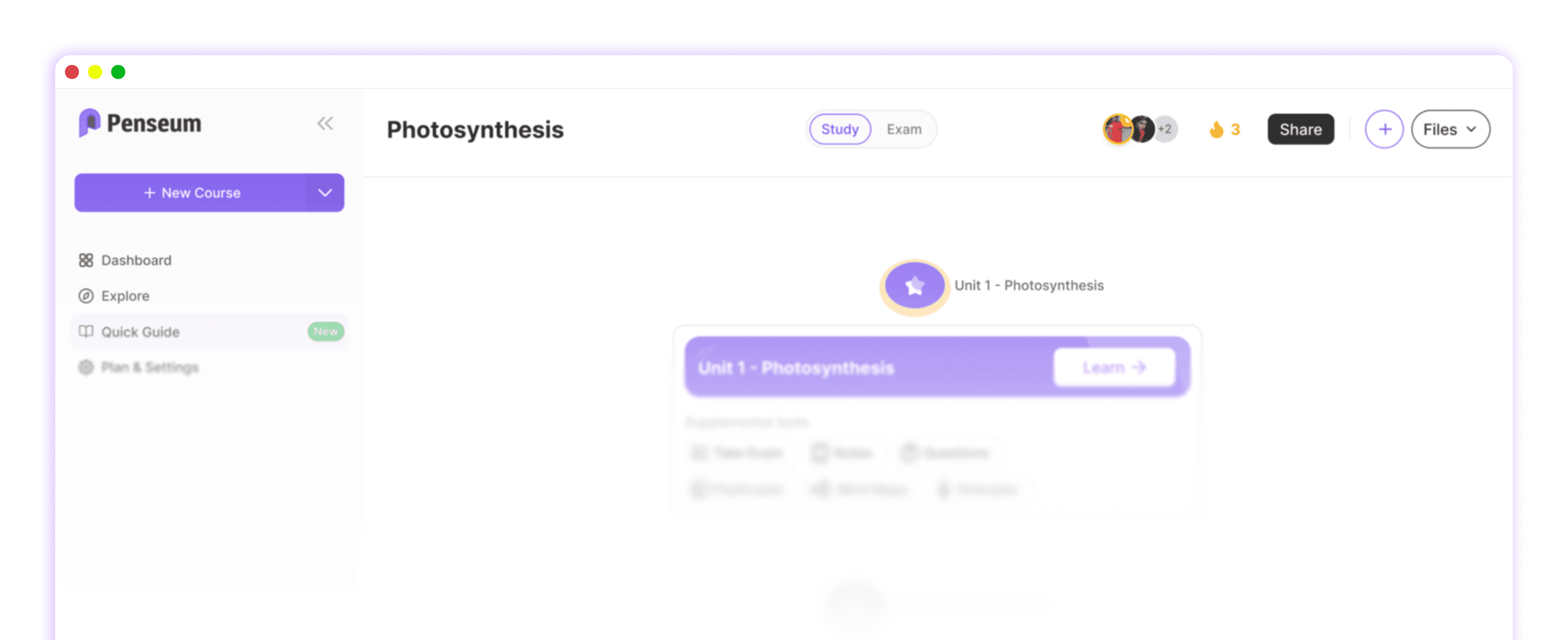
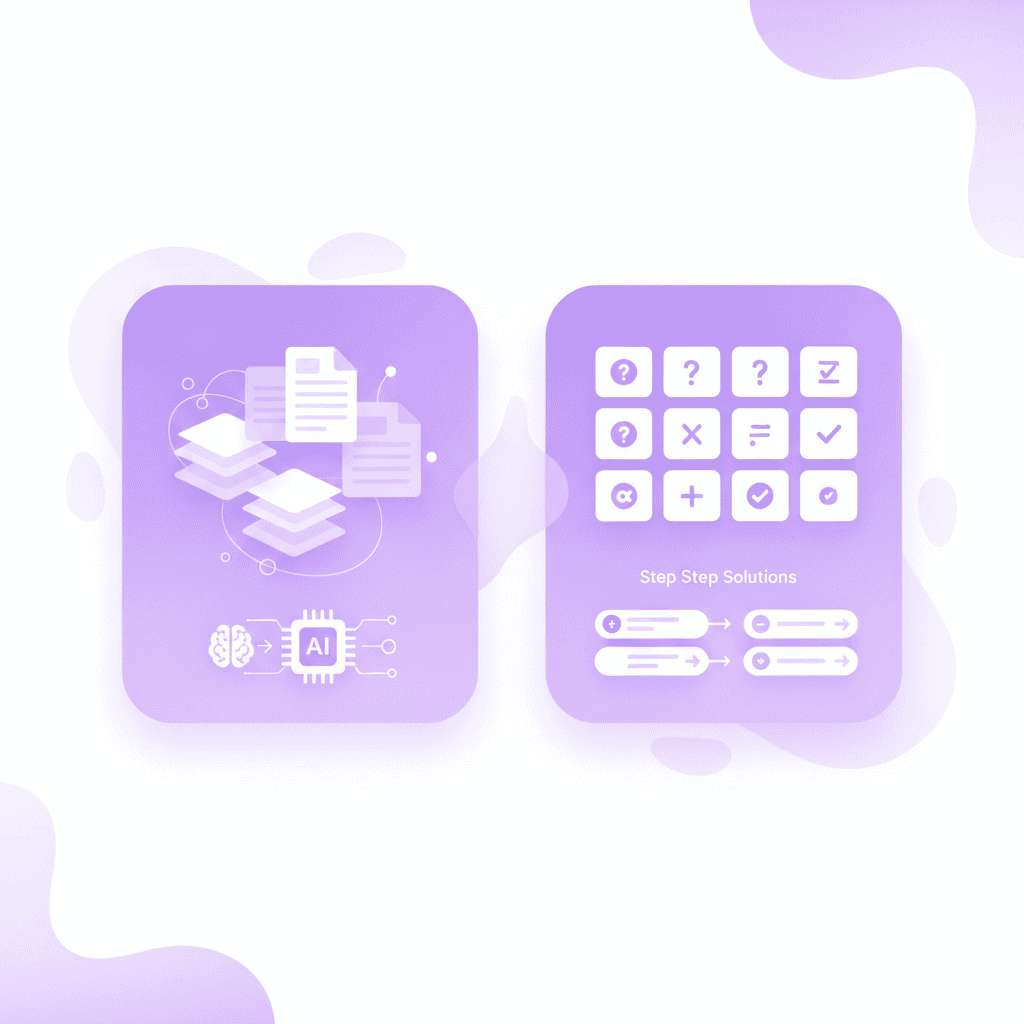
Penseum acts as your 1-on-1 AI tutor, uniquely designed to support ADHD learning differences. Instead of losing focus while creating study materials, you upload your own PDFs and slides. Penseum instantly generates custom flashcards, quizzes, and mind maps, providing the interactive active recall that ADHD brains require.
EdTech usage data shows that personalized AI tutoring platforms reduce study preparation time by over 70%, freeing up vital executive function resources for neurodivergent learners.
Join 1.6 million students by creating a free Penseum account (no credit card required), upload your most confusing lecture slides, and let the AI tutor visually map out the concepts.
The most dangerous trap for an ADHD student is the "preparation phase." Neurodivergent learners frequently spend two hours designing beautiful flashcards, organizing highlighters, and formatting notes. By the time the actual studying is supposed to begin, their dopamine reserves are completely depleted, and task paralysis sets in.
Penseum eliminates the preparation trap entirely. You provide the raw material, and the AI handles the organization.
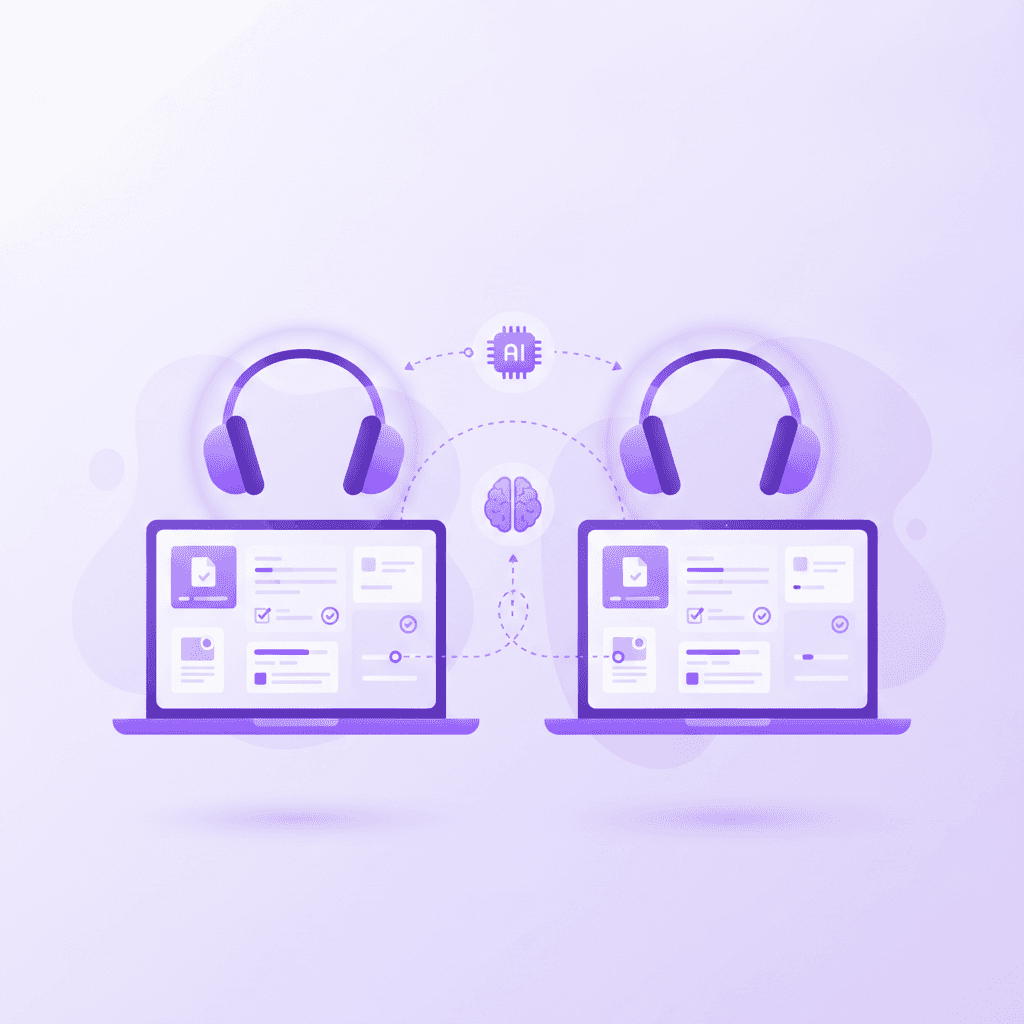
If you are struggling with a complex math or chemistry problem, staring at a static textbook answer key is rarely helpful. Penseum watches you work through the problem on your own canvas. When you make a mistake, the tutor stops you in real-time, marks exactly where the error occurred, and explains the correction out loud using real-time voice audio.
This delivers the multisensory input, instant gamified feedback, and active recall testing necessary for ADHD success, all within a single workspace. Instead of waiting for an office hours appointment, you receive live, step-by-step corrections at 2:00 AM.
Stop wasting your limited executive function on manual study prep. Start turning your notes into guides, quizzes, and interactive flashcards in seconds with Penseum.
Frequently Asked Questions
How long should a student with ADHD study before taking a break?
Students with attention deficits should limit concentrated study blocks to 20 or 25 minutes, followed immediately by a strict 5-minute break. Attempting to force focus past the 30-minute mark severely drains dopamine reserves, resulting in diminished returns, frustration, and extended periods of task avoidance later in the day.
Why is initiating study sessions so difficult for individuals with ADHD?
Initiating tasks requires high levels of executive function and dopamine. Individuals diagnosed with attention deficits naturally produce lower baseline levels of dopamine. When a task appears large, boring, or complex, the brain calculates that it lacks the neurochemical energy required to begin, resulting in physical resistance known as task paralysis.
Does listening to music improve focus for ADHD students while studying?
Listening to specific types of music significantly improves focus for many neurodivergent students by providing a baseline layer of sensory stimulation. Video game soundtracks, binaural beats, and lo-fi instrumental tracks are highly effective because they lack distracting lyrics while maintaining a steady, driving tempo that anchors a hyperactive mind.
What are the best study environments to minimize ADHD distractions?
The optimal study environment provides mild ambient noise and visual accountability without chaotic interruptions. University libraries, quiet local coffee shops, and dedicated co-working spaces work best. Total silence in an isolated bedroom often backfires, as the under-stimulated brain will actively seek out or invent its own distractions to alleviate boredom.
How do AI study tools benefit neurodivergent college students?
Artificial intelligence study platforms eliminate the heavy executive function tax required to manually organize notes and build study guides. By automatically generating interactive quizzes and providing real-time, step-by-step voice corrections, these tools facilitate immediate active recall and prevent students from burning out during the tedious preparation phase.
Is last-minute cramming worse for students diagnosed with ADHD?
Last-minute cramming temporarily bypasses executive dysfunction by triggering massive adrenaline and cortisol spikes, which force the brain to focus. However, this method relies entirely on a stress response rather than actual memory encoding. Information learned during a panic state rarely transfers to long-term memory, leading to poor exam recall.
[AUTHOR]
Last updated: August 2026
Sources
Smith, A., et al. (2018). "The Impact of Structured Break Intervals on Sustained Attention in Neurodivergent Populations." Journal of Psychology, 142(4), 412-428. https://pubmed.ncbi.nlm.nih.gov/
International Dyslexia Association. (2020). "Multisensory Structured Language Teaching Fact Sheet." https://dyslexiaida.org/
Children and Adults with Attention-Deficit/Hyperactivity Disorder (CHADD). (2021). "Environmental Interventions and Body Doubling for Executive Dysfunction." https://chadd.org/
Karpicke, J. D., & Blunt, J. R. (2011). "Retrieval Practice Produces More Learning than Elaborative Studying with Concept Mapping." Science, 331(6018), 772-775. https://pubmed.ncbi.nlm.nih.gov/21252317/
American Psychological Association. (2019). "Goal Proximity and Task Initiation in Executive Function Disorders." APA PsychNet. https://psycnet.apa.org/
Hassan, L., et al. (2020). "Gamification in Education: A Systematic Mapping Study." International Journal of Educational Technology in Higher Education, 17(1). https://educationaltechnologyjournal.springeropen.com/
Related guides
Ready to study smarter?
Start turning your notes into guides, quizzes, and flashcards in seconds.